TYPE 1
Pitcher Filters
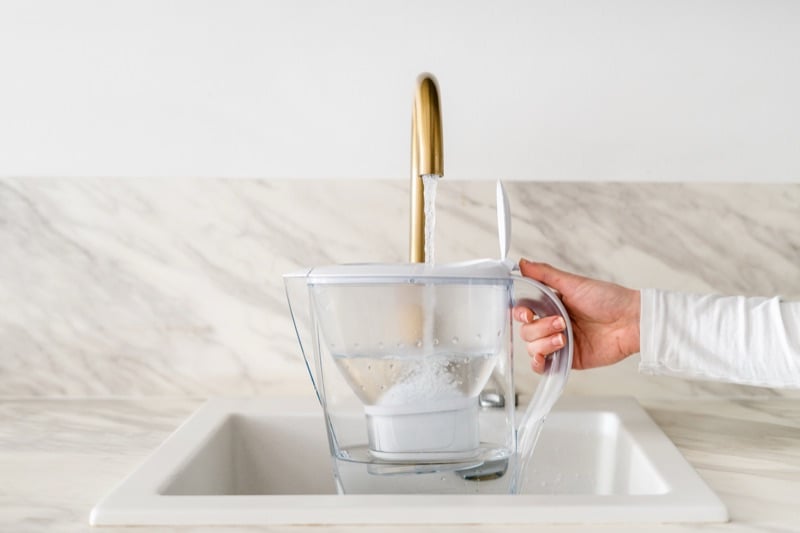
Pour-through design with replaceable cartridges. Refrigerator storage. Manual filling required. Capacity: 6-10 cups per fill.
Different approaches to water filtration. Different levels of protection.
Water filtration systems fall into two categories: point-of-use (treating water at one tap) and point-of-entry (treating all water entering your home). Each approach serves different needs, offers different coverage, and requires different levels of commitment.
Understanding how they compare helps you choose the approach that actually fits your household's water concerns and priorities.

The question isn't whether to filter your water, it's where to filter it and how much of it you want protected.
Point-of-use systems (pitcher filters, under-sink units, refrigerator filters) focus on drinking water quality at specific locations. Point-of-entry systems (whole house filtration) address water quality throughout your entire home.
Neither approach is wrong. The right choice depends on what you're trying to solve.
Point-of-use filters treat water at the location where you consume it, typically a kitchen faucet or refrigerator.
TYPE 1
Pour-through design with replaceable cartridges. Refrigerator storage. Manual filling required. Capacity: 6-10 cups per fill.
TYPE 2
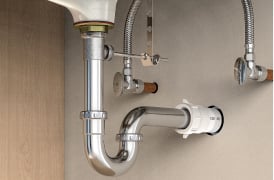
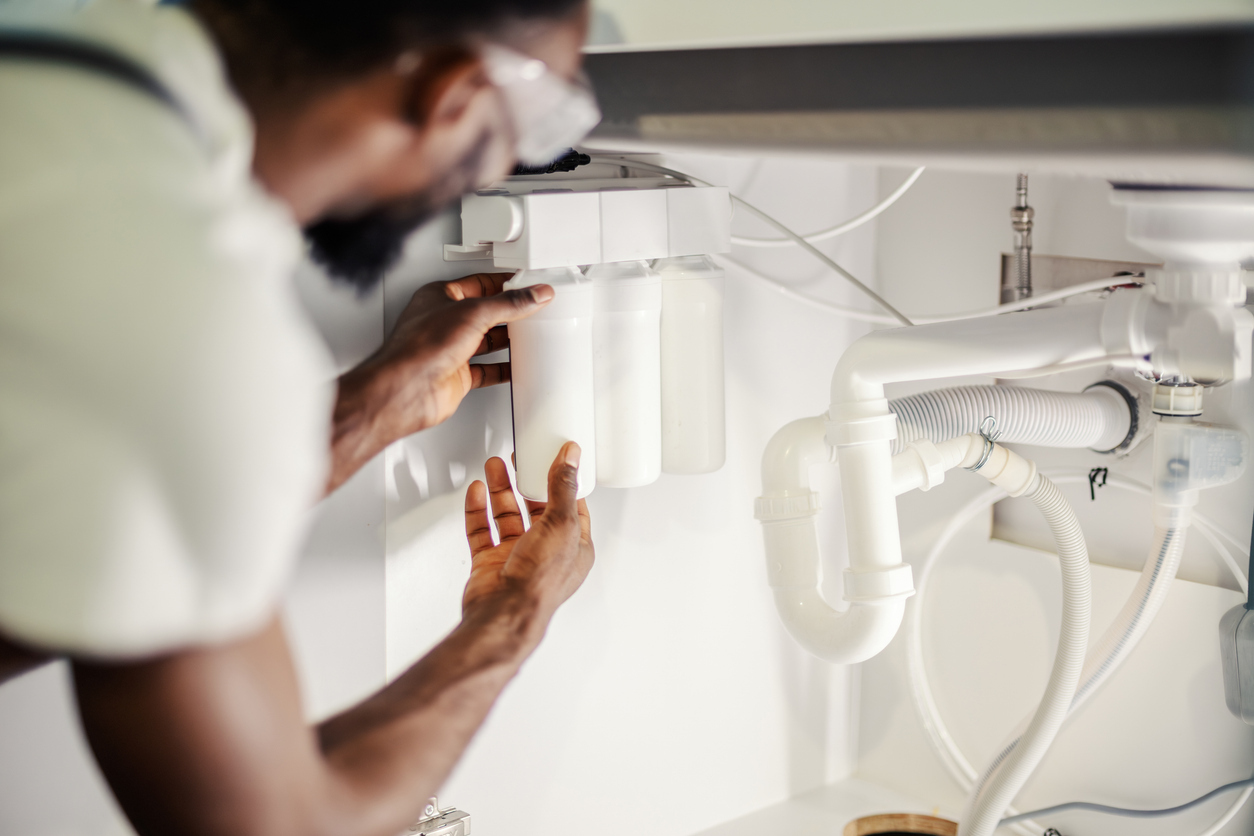
Installed beneath kitchen sink. Dedicated faucet or inline installation. Filtration happens out of sight. Capacity: Varies by system (some with storage tanks).
TYPE 3
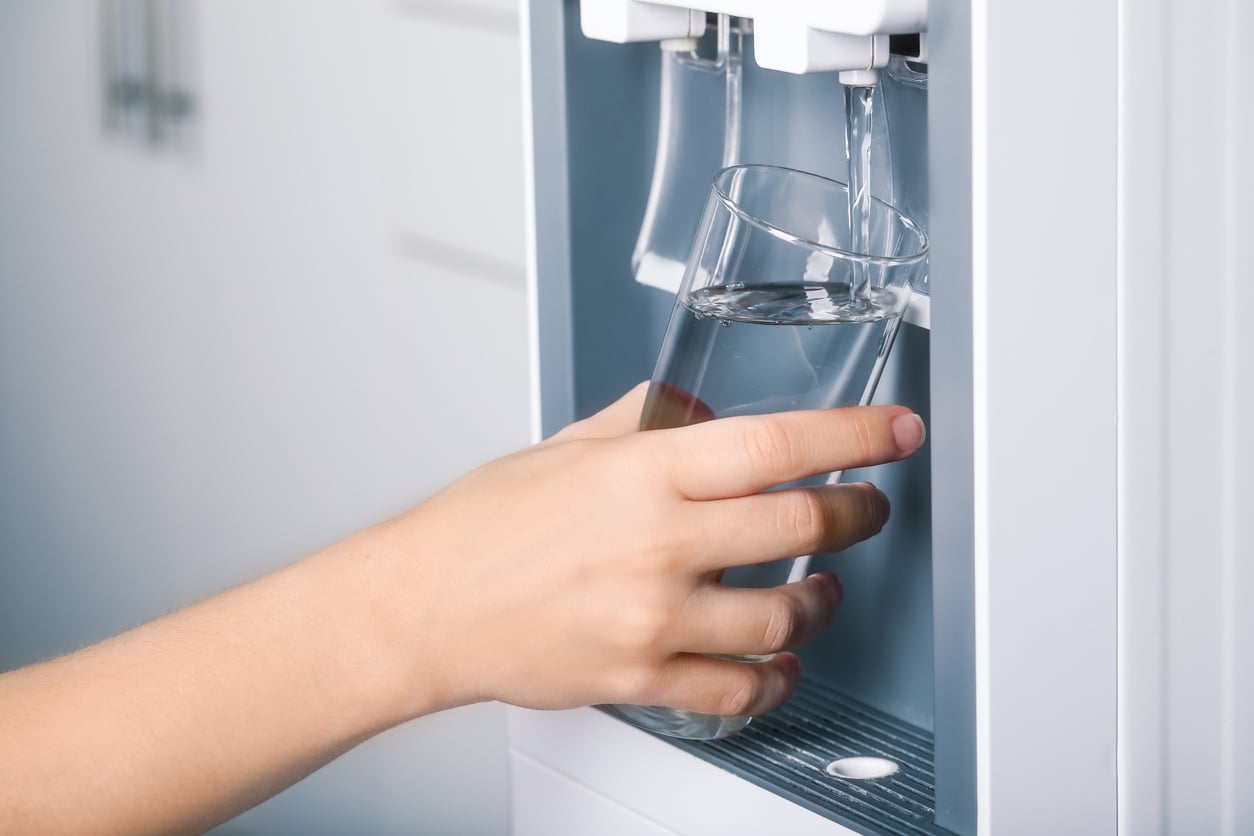
Built into refrigerator water/ice dispenser. Replaceable cartridges. Automatic filtration for dispenser use only. Convenient but limited to one appliance.
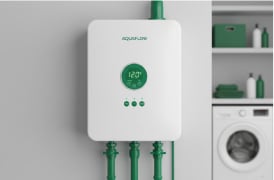
Point-of-entry filtration connects to your main water line, treating all water before it reaches any tap, shower, or appliance. How It Works:
Complete Coverage
*Depends on what water sources are connected to your home's main water line.
| Feature | Pitcher/Under-Sink/Fridge | LifeSource |
|---|---|---|
| Coverage | One tap only | Every tap and appliance |
| Drinking Water | Yes | Yes |
| Shower/Bath Water | No | Yes (chlorine-free) |
| Appliance Protection | No | Yes (with conditioning) |
| Installation | DIY or simple plumbing | Professional (handled by our teams) |
| Filter Changes | Every 2-6 months | Minimal regular maintenance |
| Ongoing Cost | Regular cartridge replacement | Minimal for extended period |
| Plumbing Protection | No | Yes |
| Convenience | Manual refilling or limited flow | Automatic, all taps |
| Certification | Varies by brand (NSF 42/53 common) | NSF/ANSI certified for contaminant reduction |
What Whole House Addresses
Lower Initial Investment
Pitcher filters cost $20-50. Under-sink systems range from $250 to $1,500 for DIY models. Refrigerator filters are included with the appliance but require ongoing replacement.
| Ongoing Replacement Costs | Point-of-Use | Whole House |
|---|---|---|
| Pitcher cartridges | Every 2 months | None |
| Under-sink cartridges | Every 6-12 months | None |
| Refrigerator filters | Every 6 months | Unnecessary |
| Multiple units for multiple taps | Recurring | Handled |
Professional installation and comprehensive treatment represent a larger upfront commitment.
After installation, the system operates for years without recurring filter purchases or replacement costs.
One system serves your entire household for years. After installation, minimal ongoing expense until media replacement at extended intervals.
Lower initial cost makes point-of-use accessible when budget is severely limited.
Temporary living situations don't justify whole house installation. Portable filters move with you.
If your sole concern is drinking water taste and you're satisfied with other aspects of your water, point-of-use addresses that specific need.
When you don't have access to the main water line or building policies prohibit modifications.
Some families start with point-of-use to experience filtered water before investing in whole house coverage. - See our RO solution.
Drinking water, bathing, laundry, appliances, and plumbing all benefit from treatment.
Scale prevention requires whole house conditioning. Point-of-use filters don't address this.
Families with sensitive skin or anyone concerned about chlorine exposure during showers benefit from whole house chlorine removal.
Homeowners staying in their homes for years gain maximum value from whole house infrastructure.
One system, minimal maintenance, automatic protection. Whole house filtration eliminates the ongoing management point-of-use requires.
Comprehensive treatment including bacteria protection requires whole house installation.
Some households combine approaches:
Whole house handles chlorine, sediment, and conditioning. Additional under-sink RO for ultra-filtered drinking water. Maximum protection for specific needs.
You want comprehensive whole house protection but also desire specialized treatment for drinking water specifically.
Most families choose either whole house filtration for full-home protection or point-of-use filtration for targeted needs, not both.
Questions to Guide Your Choice
| Point-of-use | Whole House | |||
|---|---|---|---|---|
| Concerns | Just taste/odor | Just taste/odor | Hard water, chlorine, appliance protection | Whole house needed |
| Renting or Owning | Renting | Pitcher filters are portable | Owning long-term | Provides lasting value |
| Budget | Very limited | No | Can invest in infrastructure | Offers better long-term value |
| How hands-on | Don't mind regular filter changes or lower filtration capacity | No | Prefer minimal maintenance and certified performance | Simplifies life |
What works for one family may not make sense for another and that's exactly why there isn't a single "right" answer. A quick conversation can help clarify which approach fits your water, your space, and how you actually live day to day.