ScaleSolver
Powered by TAC Media
How LifeSource Salt-Free Systems Work
Understanding what happens to hard water minerals as they move through your home.
If you've ever wondered why scale builds up in your home and whether there's a way to address it without salt, this is where it starts. LifeSource systems use a salt-free conditioning process based on Template Assisted Crystallization (TAC) to help manage scale as water moves through your home.
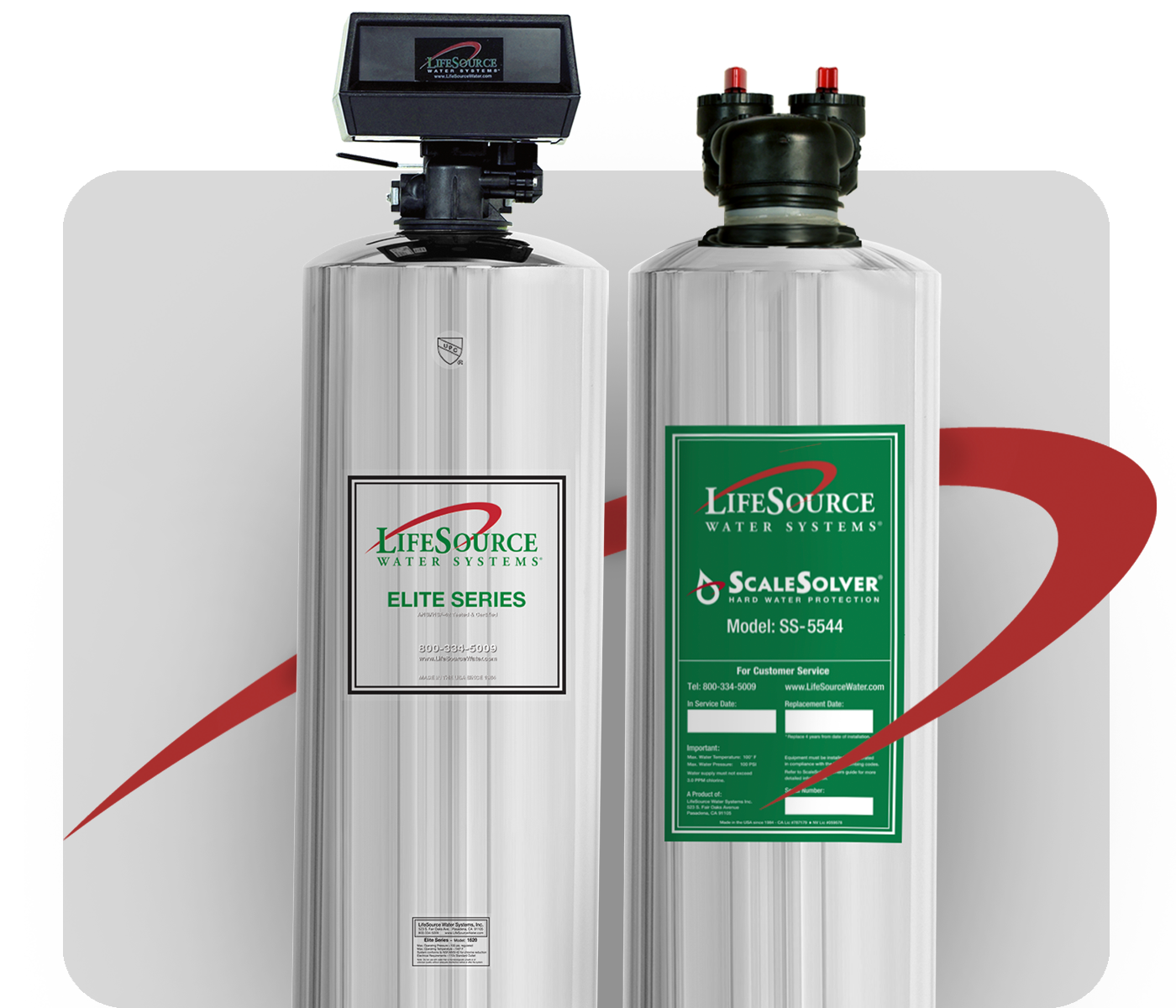
 No Salt. No Harsh Chemicals Added.
Zero added sodium
IAPMO Tested
 Passive Operation
No regeneration cycles
 Since 1984
Factory Direct
Pasadena, CA
What "Salt-Free Conditioning" Means
The term "salt-free" describes what this process doesn't do. It doesn't use ion exchange, and it doesn't add sodium to your water. To understand what that means, we need to start with understanding what's actually being treated.

What "Salt-Free" Refers To
Salt-free means there's no ion exchange process, the main method traditional softeners use. No sodium is added to your water. The hardness minerals stay in the water, but they're changed in form, not removed.

What Is Being Treated
Hardness minerals are what we're addressing. These are mainly calcium and magnesium, minerals that are naturally present in most tap water, especially in hard water areas.

What Is Not Being Removed
The minerals themselves stay in your water. This is important: salt-free conditioning is not softening. We're not eliminating minerals, we're changing how they behave.
What Is Template Assisted Crystallization (TAC)?
ScaleSolver: LifeSource's Proprietary Technology
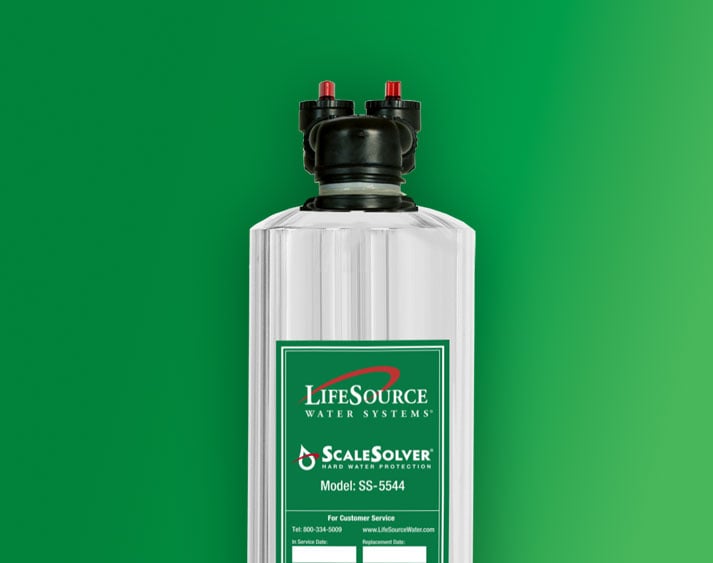
ScaleSolver is LifeSource's salt-free conditioning technology, built on Template Assisted Crystallization. When hard water passes through ScaleSolver's specially designed media, hardness minerals form into stable, microscopic crystals that flow through your pipes and fixtures without sticking to them. No minerals are removed. No chemicals are added. Mineral behavior is simply changed.
In a LifeSource system, ScaleSolver handles the conditioning stage, one part of a whole-home approach that also includes filtration. It focuses on one specific problem: how minerals behave as water moves through your home, and solves it permanently, without salt.
Independent Research Confirms It Works
ScaleSolver: LifeSource's Proprietary Technology
Arizona State University conducted an independent evaluation of salt-free conditioning technologies, testing Template Assisted Crystallization, the technology behind ScaleSolver, against every major alternative across multiple water quality types. TAC achieved 97–99% scale reduction on heating elements, outperforming every competing salt-free technology tested and meeting the internationally recognized DVGW-W512 benchmark for scale control.
The conclusion: TAC is the most effective salt-free alternative to traditional water softeners, with no salt, no chemicals, and nothing added to your water.
The Returns That Offset System Cost Over Time
1
How Calcium and Magnesium Behave in Untreated Water
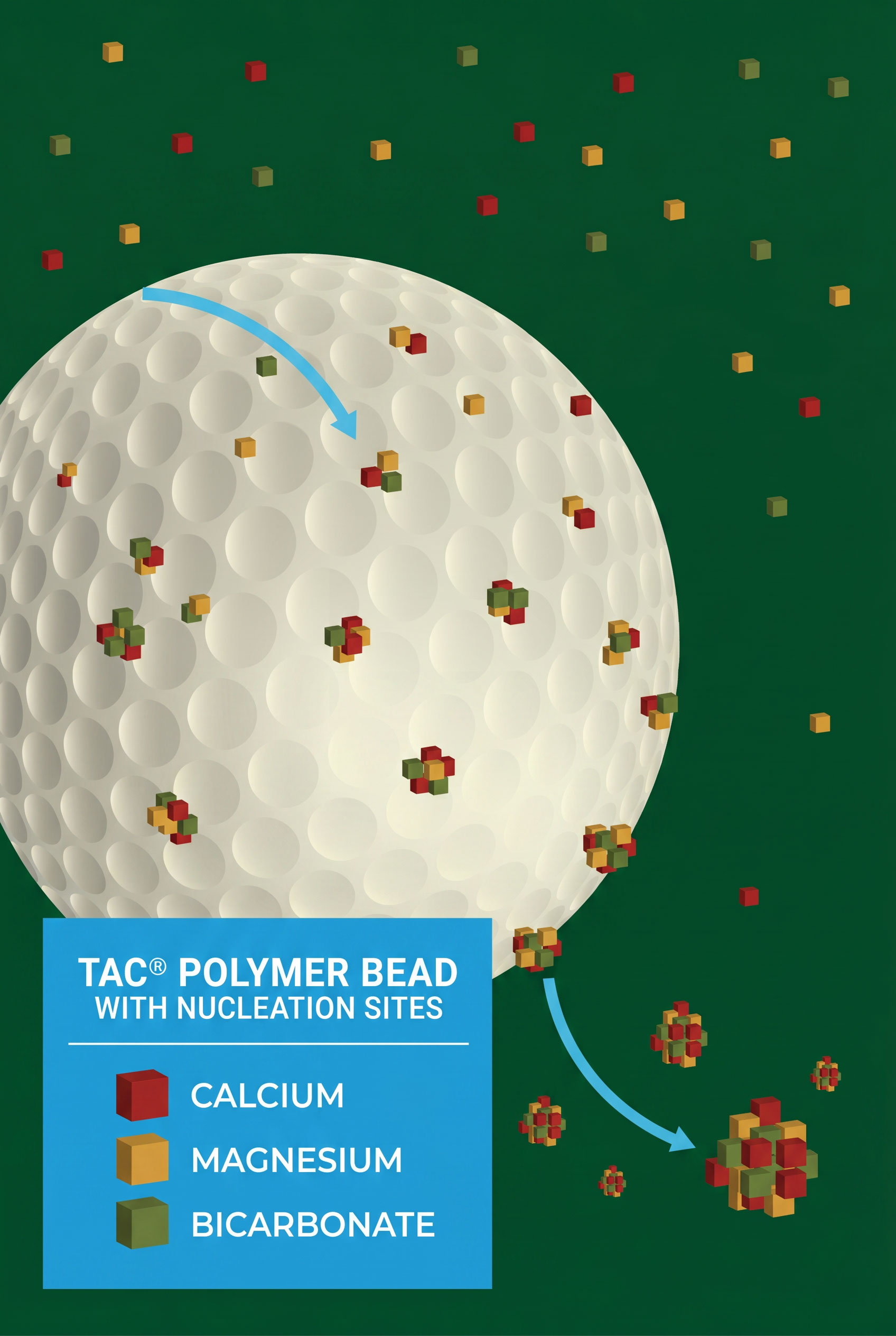
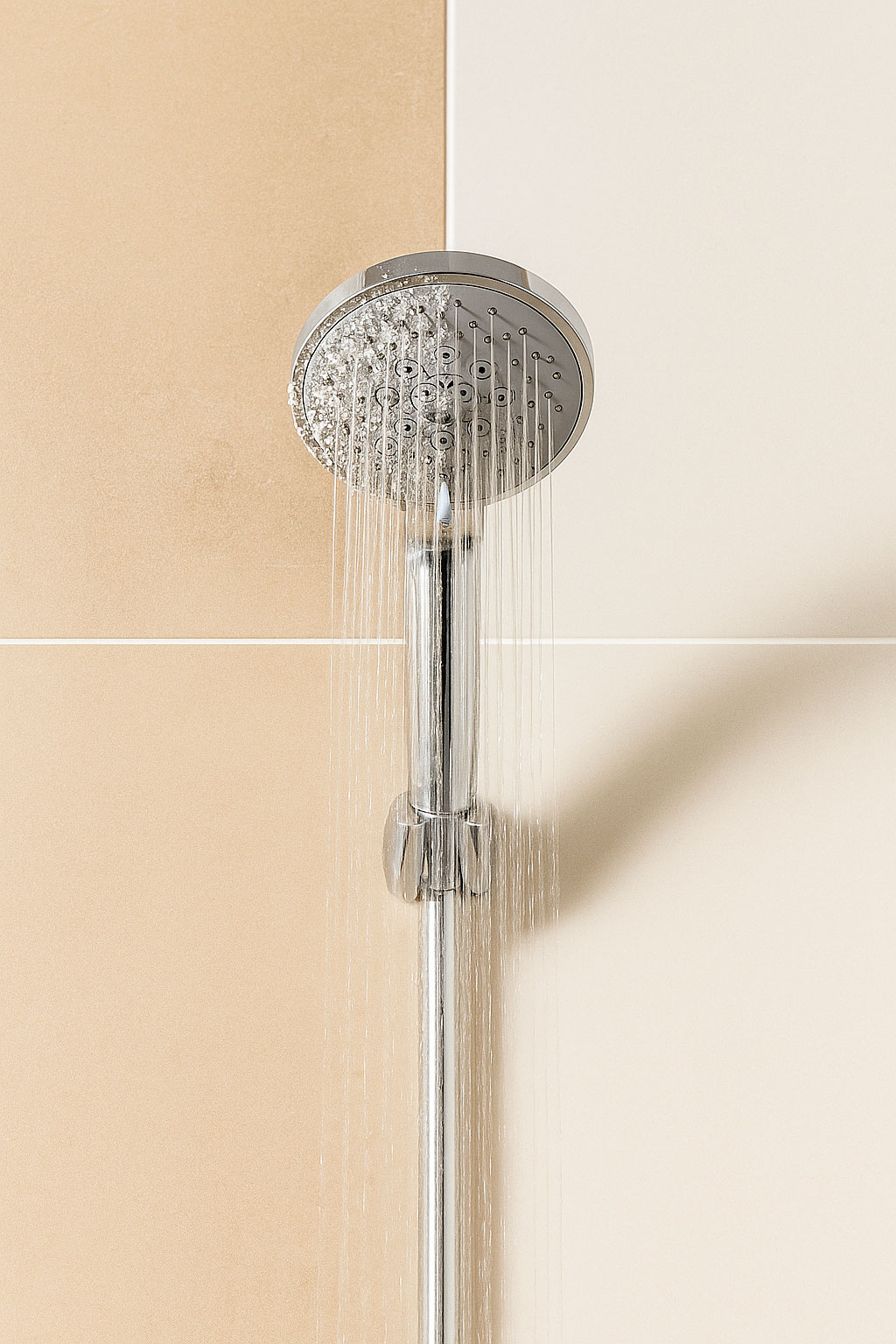
In untreated hard water, calcium and magnesium are dissolved, mixed into the water like salt in a glass of water. They float freely. When water heats up, cools down, slows down, or touches a surface, these minerals naturally want to bond to that surface. This is why they stick to pipes, showerheads, hot water tanks, and appliances.
2
What Happens When Water Passes Through TAC Media
The TAC media is covered with special surfaces, templates. When hard water passes through, these templates provide a place for the dissolved minerals to start forming crystals. The templates encourage the minerals to crystallize in the water itself, instead of waiting to bond to pipes and fixtures downstream.
3
How Minerals Are Converted into Stable, Non-Adhesive Crystals
The minerals transform. They go from being dissolved to being crystallized into tiny solid structures. These crystals are still the same minerals, calcium and magnesium, but now they're in a different physical form. This crystallized form is stable and won't stick to surfaces.

4
Why Those Crystals Resist Bonding to Surfaces
Once minerals have crystallized in the water, they've already formed their final shape. There's no reason for them to try to bond to pipes or fixtures, the crystallization is complete. They simply flow along with the water, through your pipes, through your fixtures, and out of your home instead of building up as scale.
Where TAC Fits Inside a LifeSource System
TAC is one piece of a complete whole-home water system. It's not designed to fix every water problem by itself. Understanding where it sits helps explain what it does and what it doesn't do.

Stage 1
Input From City Water
Water enters your system coming from the main city distribution.
Stage 2
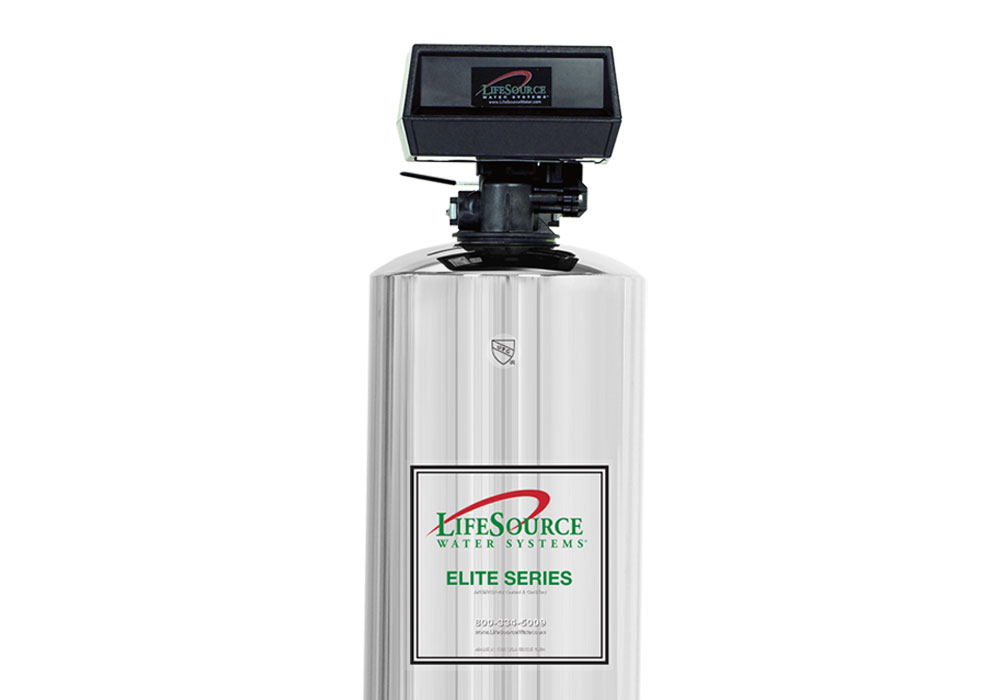
Activated Carbon Filtration
Certified to reduce chlorine (which affects taste and smell), chemical contaminants, and other substances that filtration captures
Stage 3 - TAC
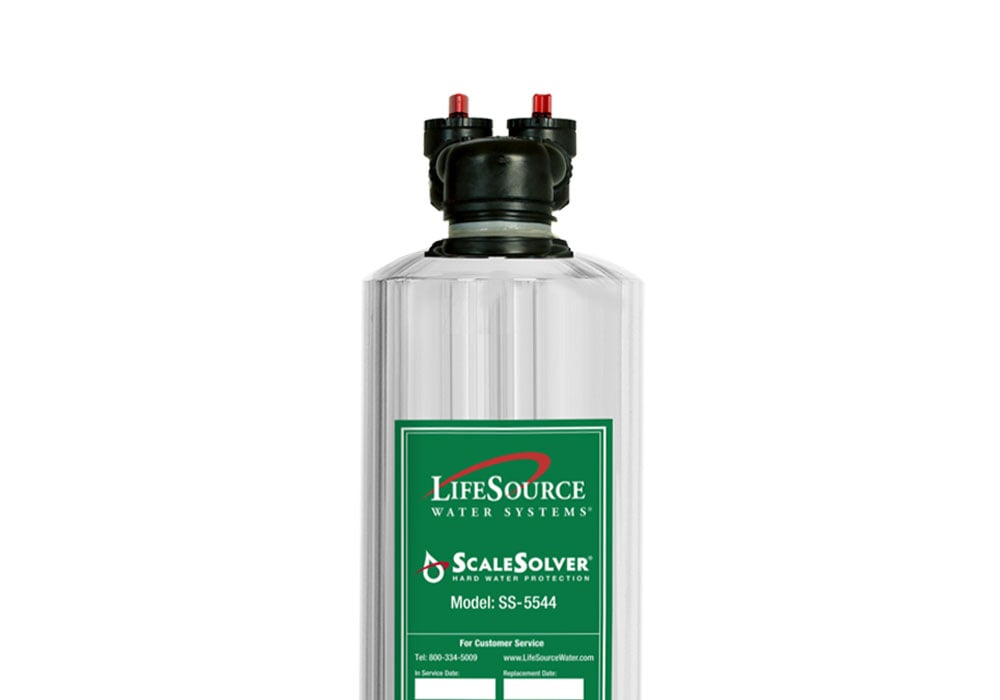
Scale Conditioning
TAC media converts hardness minerals into non-adhesive crystals so they don't stick to pipes and fixtures.

Output
Treated Water
Filtered, conditioned water that reaches every faucet and appliance in your home.

Why Filtration and Conditioning Work Together
TAC handles hardness minerals, but it doesn't filter out contaminants, chlorine, or sediment. That's why LifeSource pairs TAC conditioning with activated carbon filtration. Filtration handles one set of water problems; TAC conditioning handles another. Together, they address multiple aspects of water quality in a single system.
Think of it like this: filtration cleans the water; conditioning changes how minerals behave. Both are needed to address what makes water better for your home.
What This Process Does Not Do
Understanding what TAC conditioning doesn't do is just as important as knowing what it does. Here's what to expect, and what not to expect.

TAC Does Not Remove Minerals
The calcium and magnesium stay in your water. If you test your water's TDS (Total Dissolved Solids), the number will be the same before and after treatment. The minerals are still there, just in a different physical form.

TAC Does Not Change TDS
Your Total Dissolved Solids measurement stays the same. This is expected and normal. TAC changes how minerals are structured, not how many minerals are in the water. The mineral content remains constant.

TAC Does Not Create "Soft Water" Feel
Traditional softened water has a distinctly slippery, slick feel because sodium ions replace the hardness minerals. TAC-treated water doesn't feel that way. The water feels normal, like regular tap water. There's no soapy sensation.
Want to See How This Works in Your Home?
A free consultation covers your specific water conditions, what your home actually needs, and which water solution fits your home. You'll get clear answers and no pressure.