Salt-Free Systems in Areas with Water Softener Bans
A compliant way to manage hard water.
Many communities restrict or ban traditional salt-based water softeners due to their impact on local water systems. LifeSource uses salt-free conditioning to help reduce scale, without saltwater discharge, making it a compliant option in regulated areas.

 Compliant in Ban Areas

 Professional Installation

If you live in an area with water softener restrictions, you’ve likely discovered that protecting your home from hard water damage isn’t as simple as buying the first system you find.
Understanding why regulations exist, where they apply, and how salt-free systems remain compliant helps you make an informed decision that protects your home without running afoul of local ordinances.
Why Communities Ban Water Softeners
The Environmental Impact of Saltwater Discharge
Traditional salt-based softeners require periodic regeneration—flushing saltwater through the system to recharge resin beads. This saltwater discharge creates measurable problems for municipal water systems.

Wastewater Treatment Challenges
- Saltwater interferes with biological treatment processes
- High salinity damages equipment and infrastructure
- Salt cannot be easily removed during treatment
- Treated wastewater becomes too salty for reuse or agricultural irrigation

Water Reclamation Concerns
Communities investing in water recycling and reclamation face particular challenges. Saltwater discharge undermines these efforts by increasing salinity in reclaimed water beyond usable levels.

Cumulative
Community Impact
When hundreds or thousands of households discharge saltwater, the cumulative effect significantly degrades wastewater quality and increases treatment costs for entire communities.
Where Water Softeners Are
Banned or Restricted
Water softener restrictions are most common in water-stressed regions where communities are focused on wastewater reuse and conservation. In the U.S., this has led to bans or limitations in parts of California, Arizona, Texas, Nevada, and other states—often at the local or municipal level rather than statewide.
Because regulations vary by location and continue to evolve, homeowners should verify local requirements before installing a traditional salt-based softener. For a more detailed breakdown of where water softeners are banned or restricted, see our full guide.
Types of Restrictions
Types of Restrictions
Communities regulate salt-based water softeners in a few common ways:

Outright Bans
Some areas prohibit salt-based softeners entirely.

Discharge Limits
Others allow softeners but restrict where saltwater can be discharged, such as septic systems or storm drains.

Permitting Requirements
Certain jurisdictions require permits, inspections, or special approvals before installation.

Conditional Use
Some allow softeners only if they meet specific efficiency or discharge standards.
Why Salt-Free Systems Are a Compliant Alternative
Salt-free water conditioning systems operate fundamentally differently from traditional softeners, eliminating the environmental issues that trigger regulations.
How Salt-Free Systems Avoid Restrictions
Salt-free conditioning operates differently than traditional softeners, eliminating the issues that lead to regulation.
- No saltwater discharge No regeneration cycles and no brine released into wastewater systems
- No salt input Without salt, there’s no regulated byproduct to manage
- Passive operation Water flows through once and continues to the home
- Regulatory neutrality From a compliance standpoint, salt-free systems function like standard plumbing

Legal in All Jurisdictions
Because salt-free conditioning doesn’t create the environmental impacts that concern regulators, these systems remain:
- Legal in ban areas Compliant even where softeners are prohibited
- Permit-free No special approvals or inspections required
- Future-proof Won’t be affected by future restriction expansions
- Universally acceptable No municipal or county-level concerns
Compliance Benefits for Homeowners

Peace of Mind
Salt-free systems eliminate compliance concerns—now and in the future. Homeowners don’t need to worry about changing regulations, retroactive enforcement, or removing equipment after installation. When it comes time to sell, salt-free systems also avoid disclosure issues tied to local softener restrictions.
Flexibility Across Locations
Salt-free systems remain compliant whether you’re moving within a restricted area, maintaining a second property, or building new construction in a community with softener bans. Hard water protection stays consistent without regulatory complications.
How to Verify Local Regulations
Regulations vary by city and utility, but confirming local rules is usually straightforward.

Contact Your Water Utility
Local water departments can confirm whether softener restrictions apply in your service area.

Check Municipal Code
City or county websites often publish water use regulations, including softener ordinances.

Building Department Inquiry
If you’re installing during construction or renovation, building departments can clarify permit requirements.
HOA Regulations
Some homeowner associations impose additional restrictions beyond municipal rules—check governing documents.
What to Ask

Are salt-based water softeners permitted in this jurisdiction?
Are there discharge restrictions for softener saltwater?
Do salt-free conditioning systems require permits or approval?
Are future restrictions being considered?
In virtually all cases, you’ll find that salt-free systems face no regulatory barriers.
LifeSource in Regulated Areas
40 Years of Salt-Free Leadership
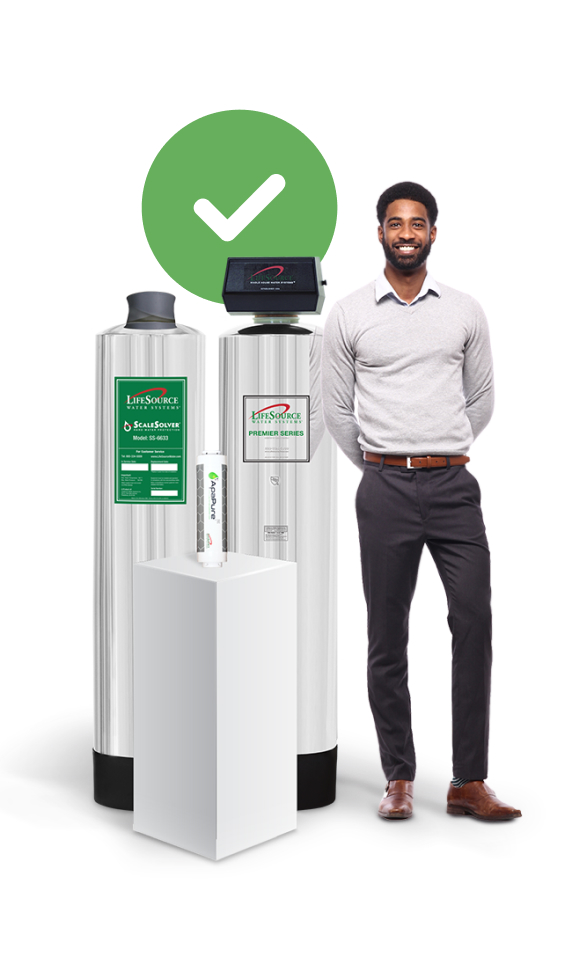
LifeSource has been salt-free since 1984—not because regulations required it, but because it’s a better solution. No sodium added. No brine discharge. No wastewater. In areas where salt-based softeners are restricted, LifeSource works because it was never built around salt in the first place.
Why Salt-Free Is the Better Answer
- No sodium added to your water
- No saltwater discharge into local water systems
- Minimal regular maintenance—no salt deliveries, no service contracts
We Handle Everything
From consultation through installation, we manage the entire process—so you’re never left sourcing contractors or navigating it yourself.
Why Families in Regulated Areas Choose LifeSource
Salt-free conditioning isn’t a workaround—it’s a better solution. Families in restricted areas get the same whole-home scale protection and filtration as everyone else, without the tradeoffs that made salt-based systems a problem in the first place.
- Water that tastes and feels cleaner throughout your home
- No sodium, no brine, no environmental discharge
- A system built to last—not one you maintain indefinitely
Making the Compliant Choice
When Regulations Simplify Your Decision
In areas with softener restrictions, regulations simplify the decision. Salt-free conditioning offers a compliant way to protect your home without accepting hard water damage or navigating ongoing regulatory concerns.