Salt-Free vs Salt-Based Water Softeners:
What The Difference Means for Your Home
One approach conditions water. The other filters and protects it throughout your home.
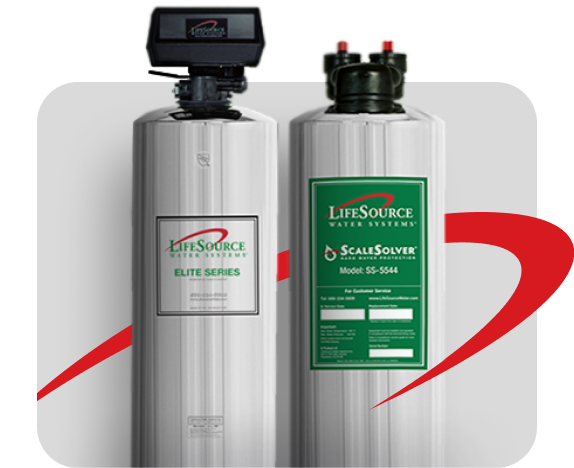
 No Salt. Ever.
 Whole-House Filtration
 NSF/ANSI-42 Certified
 No Maintenance
 Since 1984
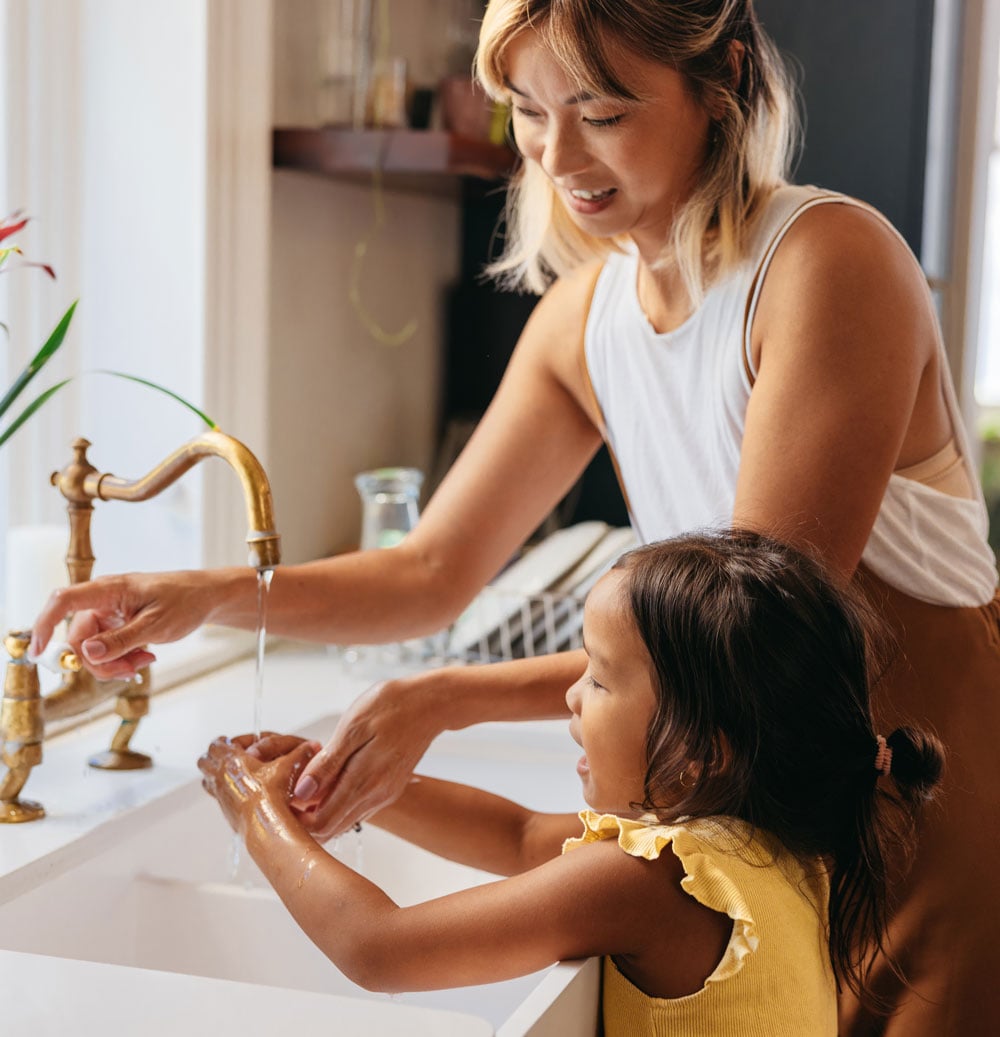
Hard water shows up quietly over time on fixtures, inside appliances, and in the way your home uses energy. For a long time, salt-based softeners were the standard way homeowners addressed scale.
What often goes unnoticed is that softeners focus on conditioning water, not filtering it. Chlorine, sediment, and other contaminants remain part of everyday use, from showers to cooking to drinking.
That's why many households add bottled water, under-sink filters, or other point-of-use solutions along the way. It works, but it often means managing multiple systems just to get water that feels right.
LifeSource was built with a different goal: clean, filtered water throughout the home, with salt-free scale reduction working quietly in the background. No salt bags. No added sodium. No separate filtration to manage.
The Core Difference Between Salt-Based and Salt-Free

Salt-Based Softeners
Salt-based softeners focus on one job: conditioning water by removing hardness minerals. They're effective at reducing scale, but they don't address what else may be in your water.
As a result, many homes with softeners still rely on:
- Bottled or filtered drinking water
- Under-sink filtration in the kitchen
- Additional filters for showers or appliances

LifeSource Salt-Free Systems
LifeSource systems take a broader approach. They combine whole-house filtration with salt-free scale reduction, so water is treated once, at the point it enters your home, and improved everywhere you use it.
The goal isn't just scale reduction. It's water that supports daily life across your entire home without stacking multiple systems.
Does Salt-Free Conditioning Actually Work?
Independent testing conducted at Arizona State University confirms that salt-free conditioning using Template Assisted Crystallization (TAC) reduces scale as effectively as salt-based softeners, without sodium, wastewater, or ongoing maintenance.
LifeSource has used this approach in homes since 1984, including regions with extreme water hardness. The same technology is also relied on in high-demand environments where water performance has to be consistent.

What You'll Notice in Daily Life
With a Salt-Based Softener
Water often feels noticeably slick, soaps lather differently, and chlorine remains part of everyday use. For many households, this leads to additional filtration at specific taps, especially for drinking and cooking.
With a LifeSource System
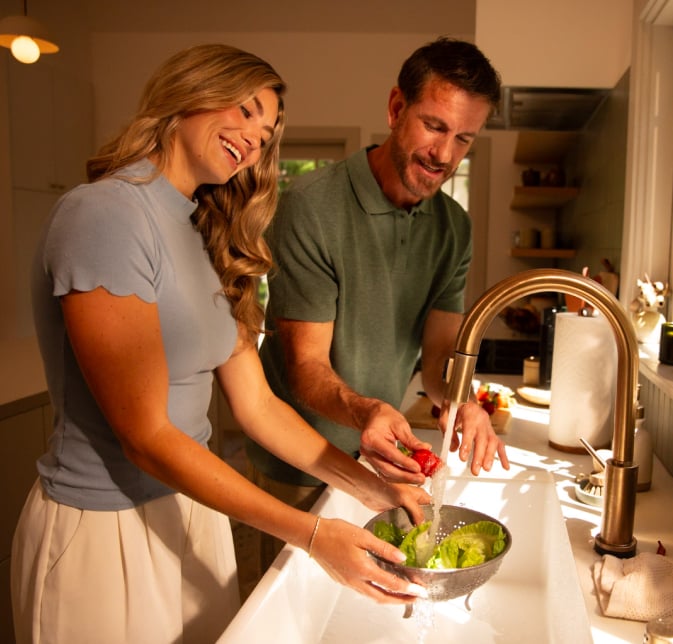
Water feels clean and natural, without the slippery residue. Chlorine is filtered throughout the home, so showers, laundry, cooking, and drinking all benefit from the same treated water, without managing multiple solutions.
Maintenance: What Living With Each System Looks Like
Salt-Based Softeners
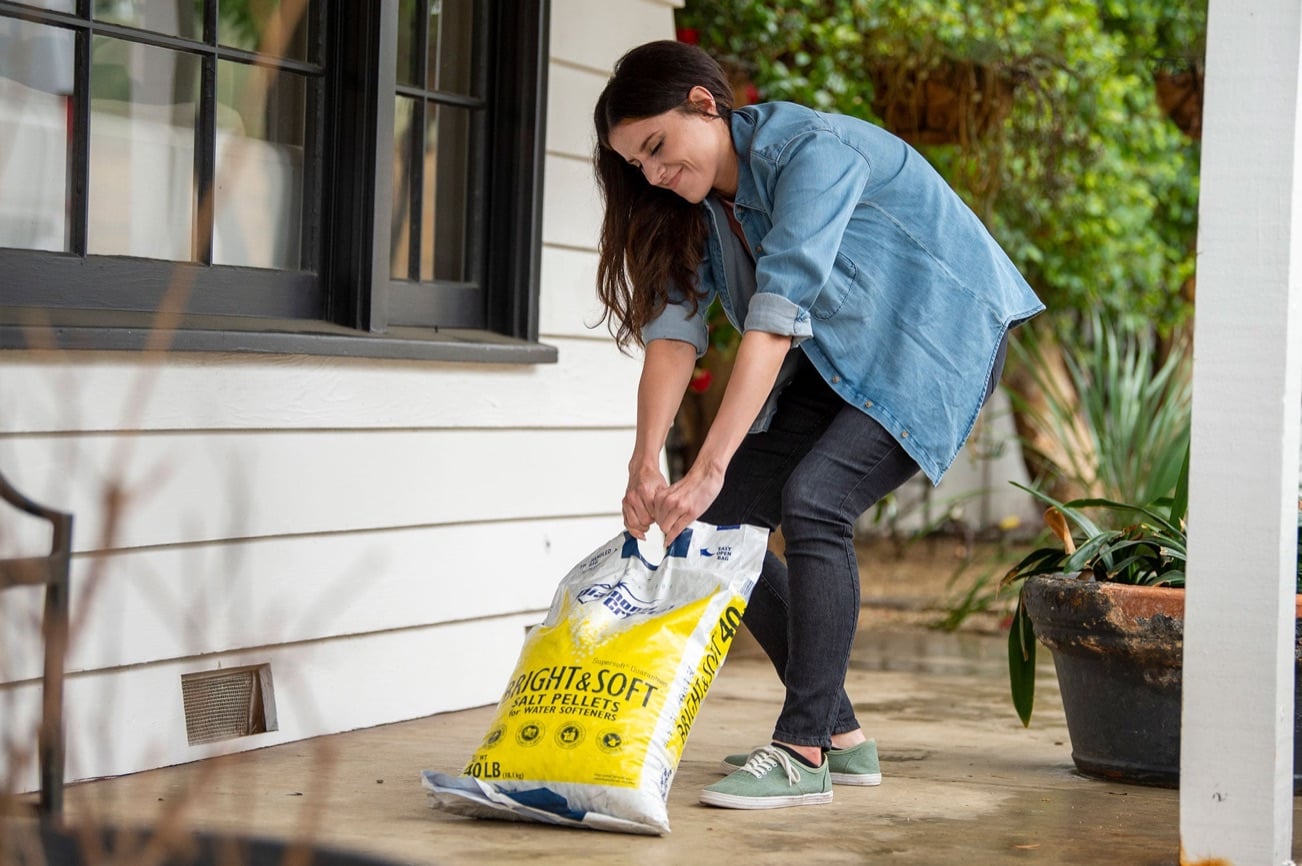
Owning a softener means committing to regular upkeep:
- Buying and loading salt bags
- Monitoring system settings
- Maintaining additional filtration elsewhere

LifeSource Salt-Free
LifeSource systems are designed to operate quietly in the background:
- No salt to buy or lift
- No regular filter changes
- No regular maintenance
- No separate drinking water filters to manage
When Each Option Makes Sense
Salt-Based Softeners Can Be a Fit If:
- You prefer fully mineral-free water
- You don't mind routine maintenance
- You're comfortable managing additional filtration
- Local regulations allow salt discharge
LifeSource Tends to Fit Best If:
- You want clean, filtered water from every tap
- You prefer fewer systems and less upkeep
- Sodium in water is a concern
- Environmental impact matters
- You're looking for a long-term, low-maintenance solution
A Few Common Questions
"Aren't salt-free systems just marketing?"
Salt-free conditioning works differently than softening, which causes confusion. It doesn't remove minerals; it changes how they behave to reduce hard water problems. Independent testing confirms the results.
"Do you still get soap lather?"
Yes. The water behaves more like natural water, without the excessive slickness some people associate with softened water.
"Is one better for hard water?"
It depends on what you want. If your only goal is mineral removal, softeners do that. If you want to solve hard water problems and get filtered water throughout the home, a salt-free whole-house system addresses both.
Find Out What Fits Your Home
A free consultation covers your water quality, your home's needs, and exactly how each approach would work - so you can make the right decision with full clarity.