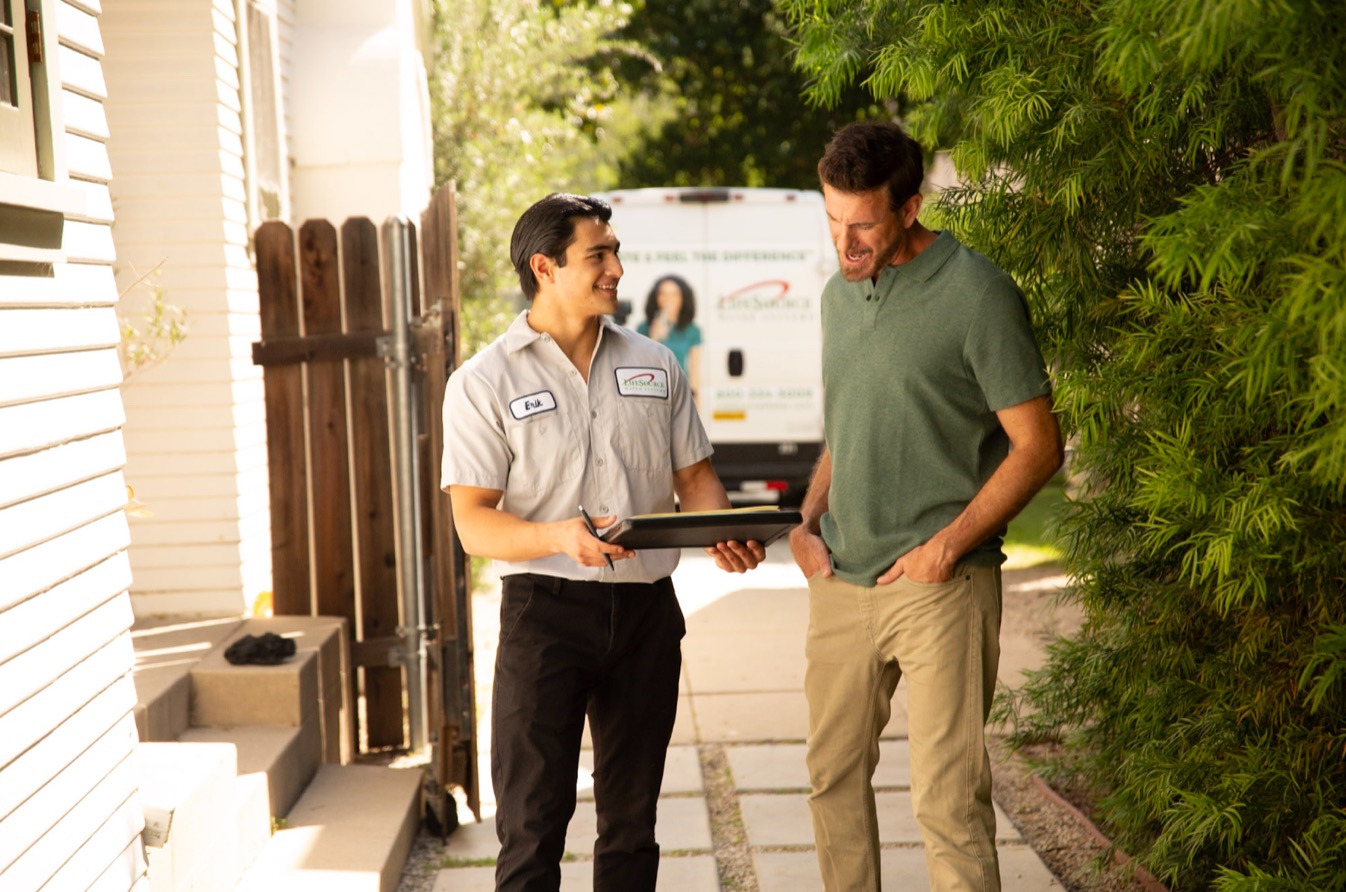
When to Replace a Water Filter or Upgrade Your Home System
Knowing when your system needs attention keeps your water quality consistent.
Water filtration systems are built to last, but they’re not permanent. Media wears out, technology advances, and household needs change. Understanding when to maintain, replace, or upgrade your system ensures you’re always getting the protection you expect.
 NSF/ANSI 42 Certified
 Founded 1984 Pasadena, CA
 Factory-Direct
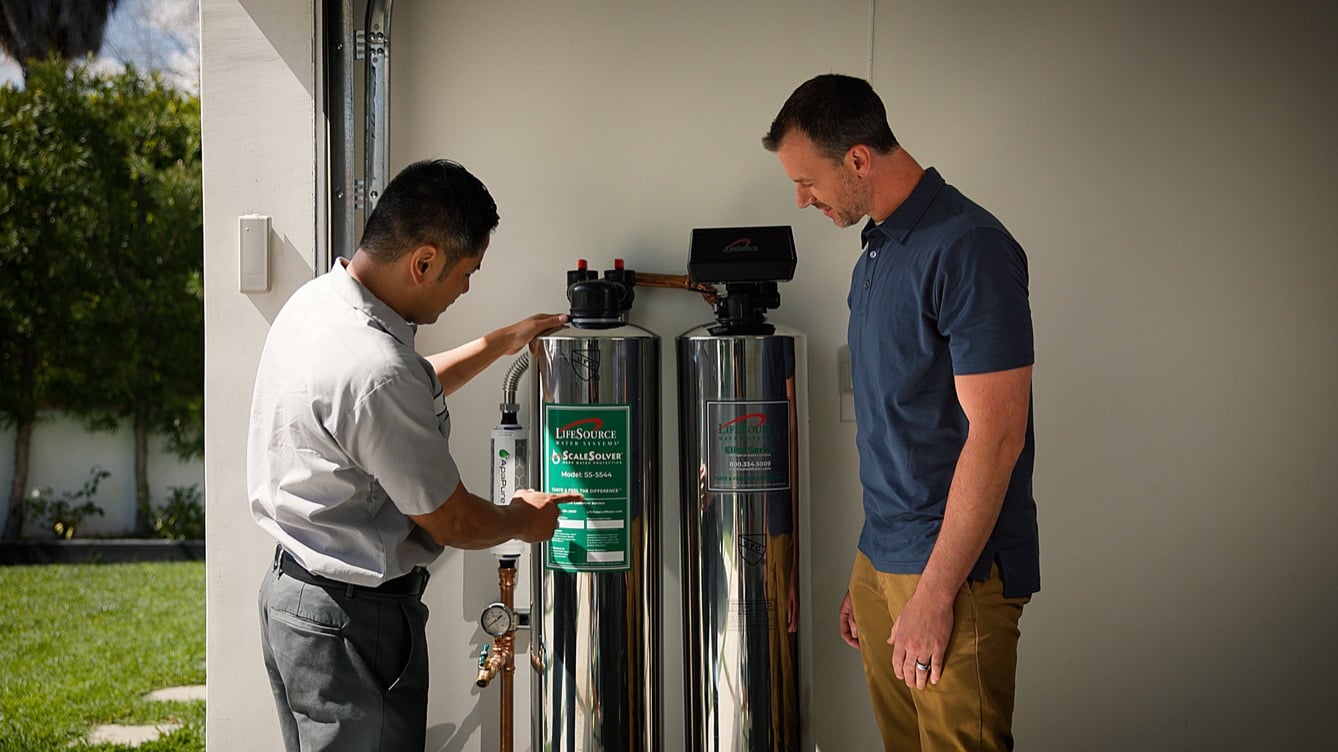
Don't Wait for Problems: When to Evaluate Your Water Filtration System
Most homeowners don’t think about their water filtration system until something changes. Taste shifts, pressure drops, or a decade passes without service.
The best time to evaluate your system is before problems emerge. Knowing typical lifespans, performance indicators, and when upgrades make sense helps you maintain consistent water quality and avoid unexpected issues.
Signs Your System Needs Attention
Most water filtration systems don’t fail suddenly. Instead, they give subtle signals over time that performance is declining. Paying attention to these changes helps you replace or service your system before water quality suffers.

Water Taste or Odor Changes
If water that tasted clean suddenly has chlorine taste, metallic notes, or unusual odors, filtration media may be exhausted or contaminated.

Visible Water Quality Issues
Cloudy or discolored water, sediment or particles appearing.

Scale Reappearing
White deposits returning on fixtures or hot water taking noticeably longer to heat are both signs conditioning media may need replacement.

Flow Rate Reduction
Water flowing more slowly from taps or showers suggests filter restriction.
Time-Based Indicators
Not all filter exhaustion is obvious. Some performance loss happens gradually, making time-based replacement just as important as visible symptoms.

Filter Age
If it has been more than 10 years since installation, your system likely needs to be replaced. Filters have maximum lifespans beyond which effectiveness cannot be guaranteed, even if performance seems fine.

Manufacturer Recommendations
Follow replacement schedules provided with your system. They’re based on testing and expected media capacity.

Gallons Processed
Many systems are rated for specific gallon capacity. If you know your usage, you can estimate when capacity is reached.
Point-of-Use Filter Replacement
Point-of-use filters protect a single tap or appliance, which means their filters wear out faster and require regular replacement to remain effective. When and How to Replace:
| System Type | Pitcher Filters | Faucet-Mounted Filters | Under-Sink Systems |
|---|---|---|---|
| Replace When | Every 40-60 gallons or 2 months (whichever comes first) |
Every 100 gallons or 2-3 months |
Every 6-12 months depending on model |
| Indicator | Most pitchers have indicator lights or stickers |
Flow rate decreases or indicator changes color |
Reduced flow, taste changes, or time elapsed |
| Process | Remove old cartridge, insert new one-takes minutes |
Unscrew housing, replace cartridge, reattach |
Shut off water, unscrew filter housing, replace cartridge (may require plumbing access) |
Critical: Cartridge filters beyond their lifespan can harbor bacteria and release captured contaminants back into water. Don't extend replacement intervals.
Whole House System Maintenance
Whole house systems vary widely in maintenance needs depending on how they're built and the type of filtration media they use.
Sediment Filters
- Pre-filters typically need replacement every 3-6 months
- Inspect regularly for visible buildup
- Replace when discolored or flow restricted
Carbon Block Filters
- Replacement every 6-12 months
- Performance declines gradually as media saturates
- Professional replacement often recommended
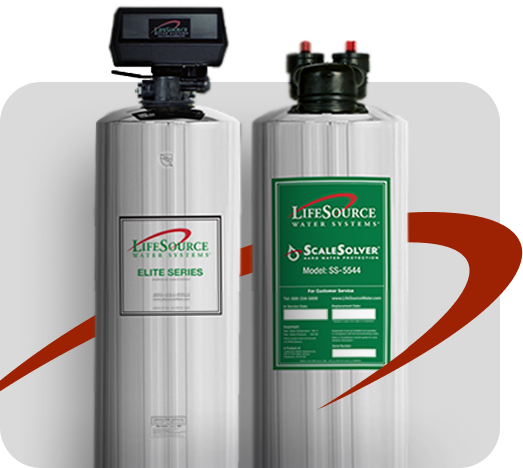
LifeSource Systems
- No regular maintenance required
- The system operates continuously without filter changes
- LifeSource is certified for 2.2 million gallons
After Extended Use:
Media replacement restores like-new performance: Carbon filtration tank replaced, ScaleSolver tank replaced, Professional service ensures optimal configuration, System continues operating reliably for another decade.
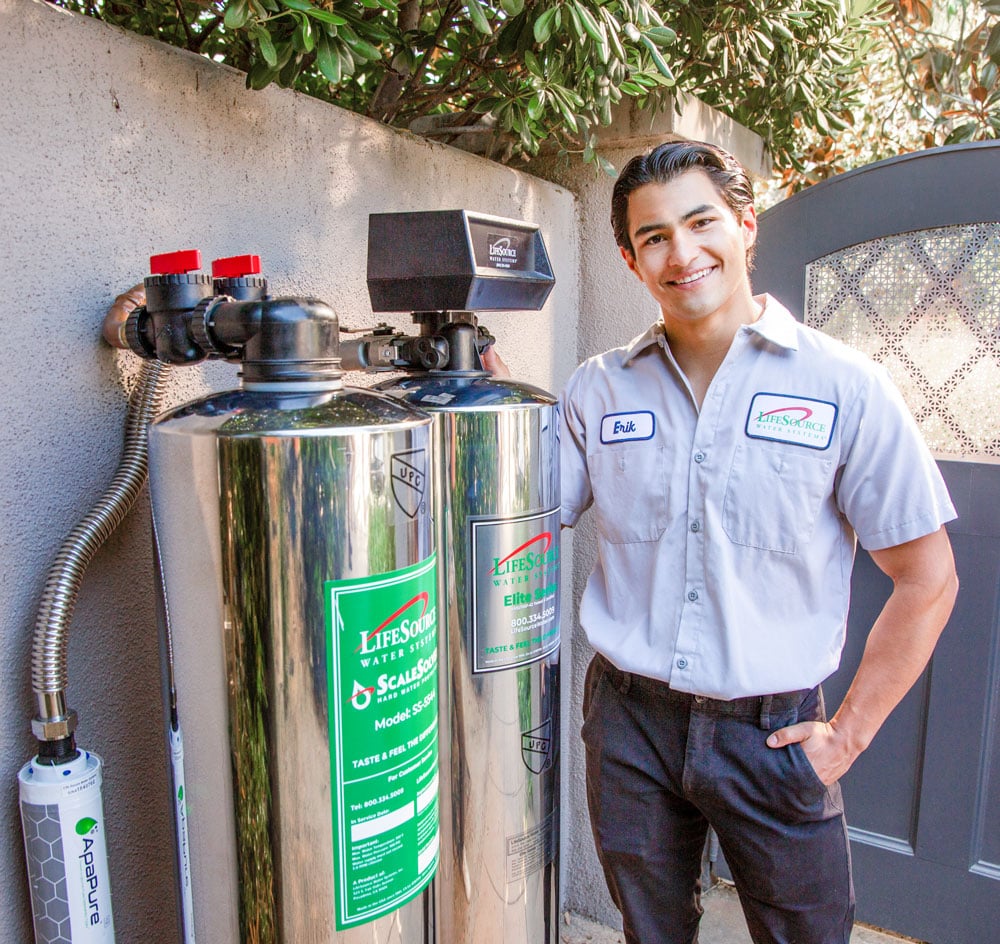
Should You Replace or Upgrade?
Replacement Makes Sense If
- Your system has performed well and simply reached the end of its service life
- Water quality concerns haven’t changed
- Media or cartridges can be replaced without ongoing hassle
Upgrading May Be Worth Considering If
- You’re managing multiple filters throughout the home
- You want chlorine-free showers, not just better drinking water
- Hard water is damaging appliances despite point-of-use filtration
- Your household has grown or water usage has increased
- Your current system requires frequent attention or upkeep
Budget Planning for Replacement
Water filtration costs don’t usually show up all at once. They tend to appear either as small, recurring purchases or as infrequent, planned service, and knowing which pattern your system follows makes budgeting easier.
| System Type | What It Costs You Over Time | LifeSource Comparison |
|---|---|---|
| Point-of-Use Systems | $180-600 a year in recurring cartridge replacements |
No monthly consumables |
| Cartridge Whole House Systems | Similar annual costs, higher capacity — but filter changes never stop |
No routine filter purchases |
| LifeSource Systems | Two scheduled media services — years 2 and 5 — then minimal costs long-term |
One media service per decade |
Planning Tip: Knowing your system's replacement timeline helps budget appropriately.
How LifeSource Simplifies Replacement
Designed for Extended Life
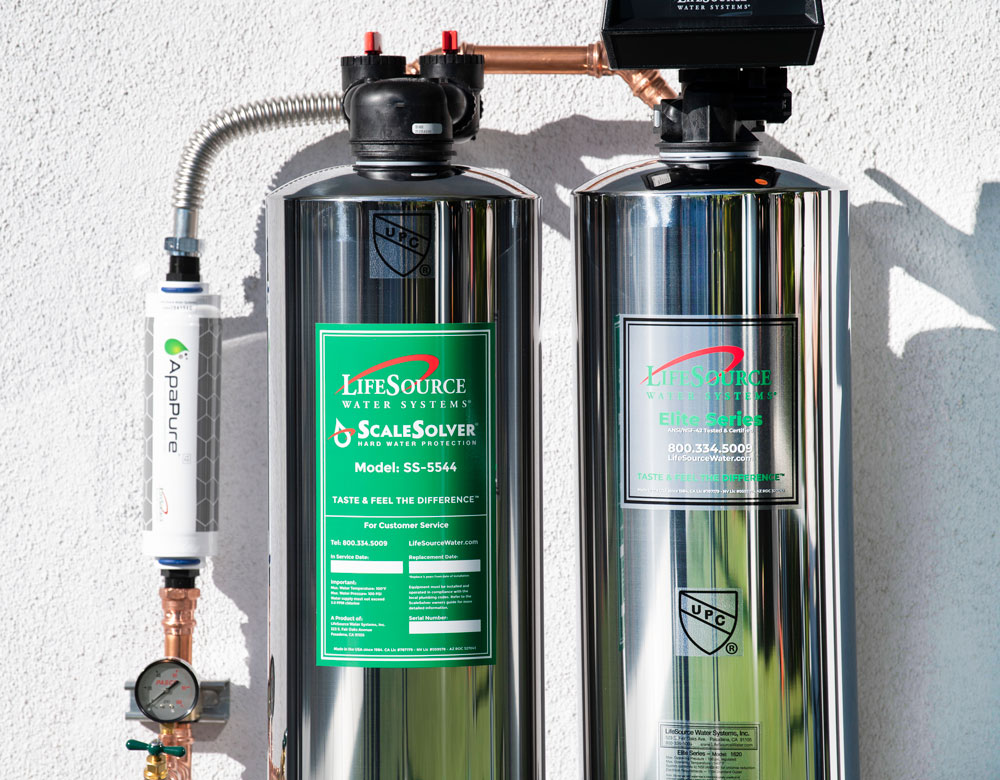
Durable Construction
Stainless steel tanks and quality components last decades, not years.

High-Capacity Media
Generous media volumes extend service life far beyond standard cartridge filters.
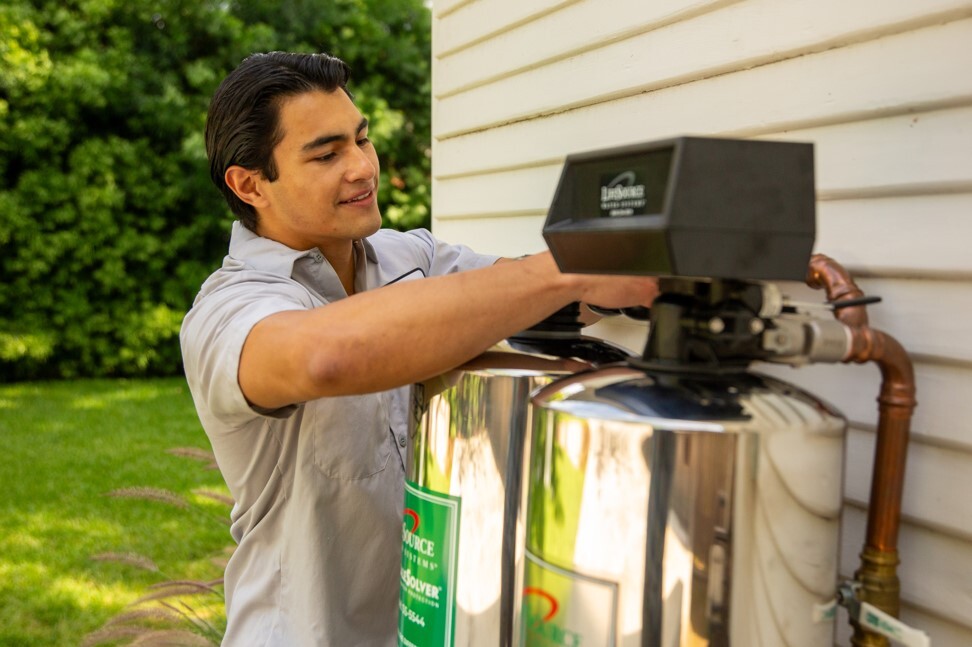
Professional Support
When service is eventually needed, our California-based teams handle everything.

Long Intervals
One maintenance event per decade vs. quarterly or annual filter changes simplifies planning and eliminates ongoing upkeep.
Not Sure What Your System Needs?
Not sure if your current system needs service, replacement, or upgrading? We’ll assess your system’s condition and help you understand your options.